Upcoming Events
Past Events
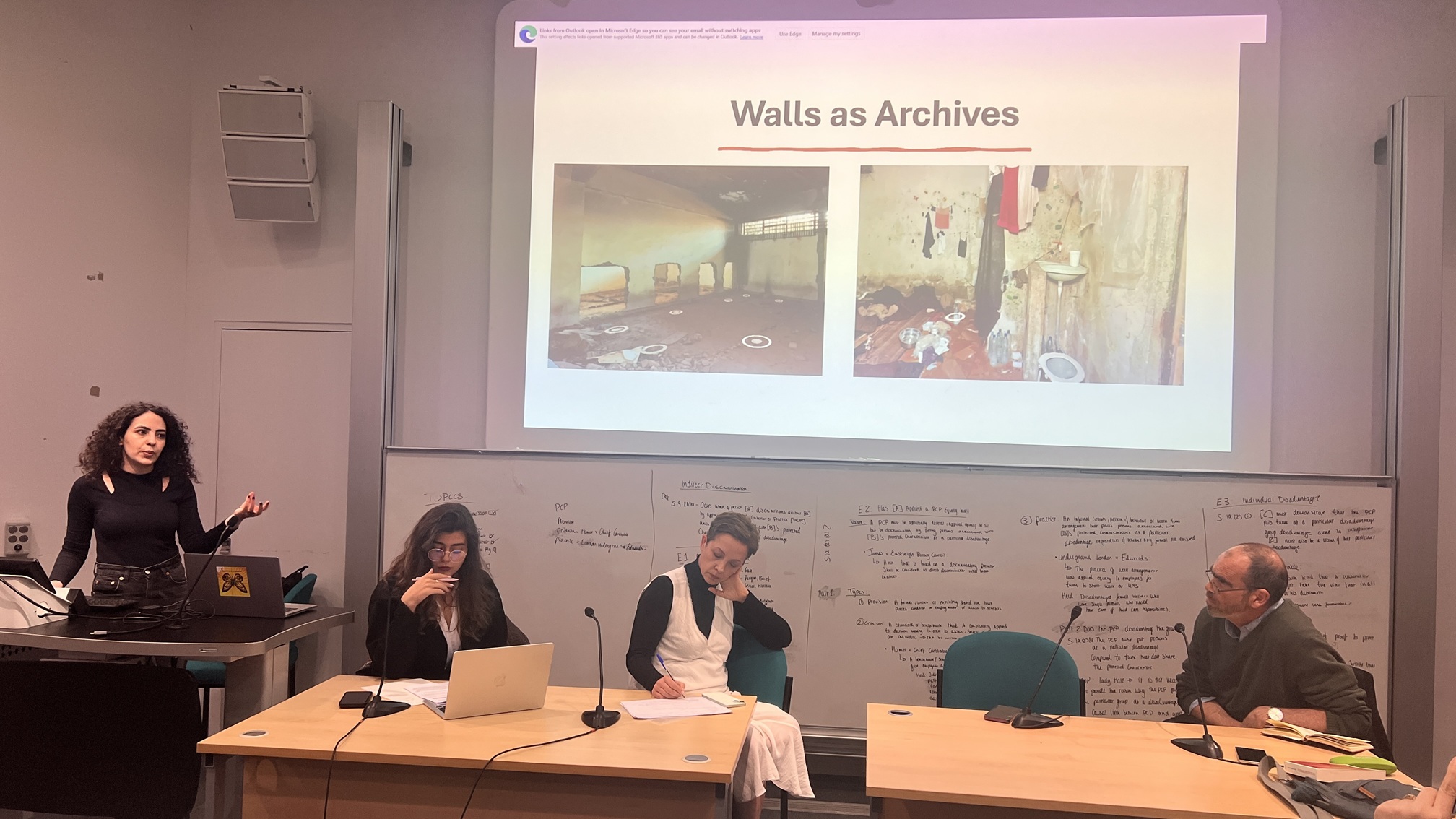
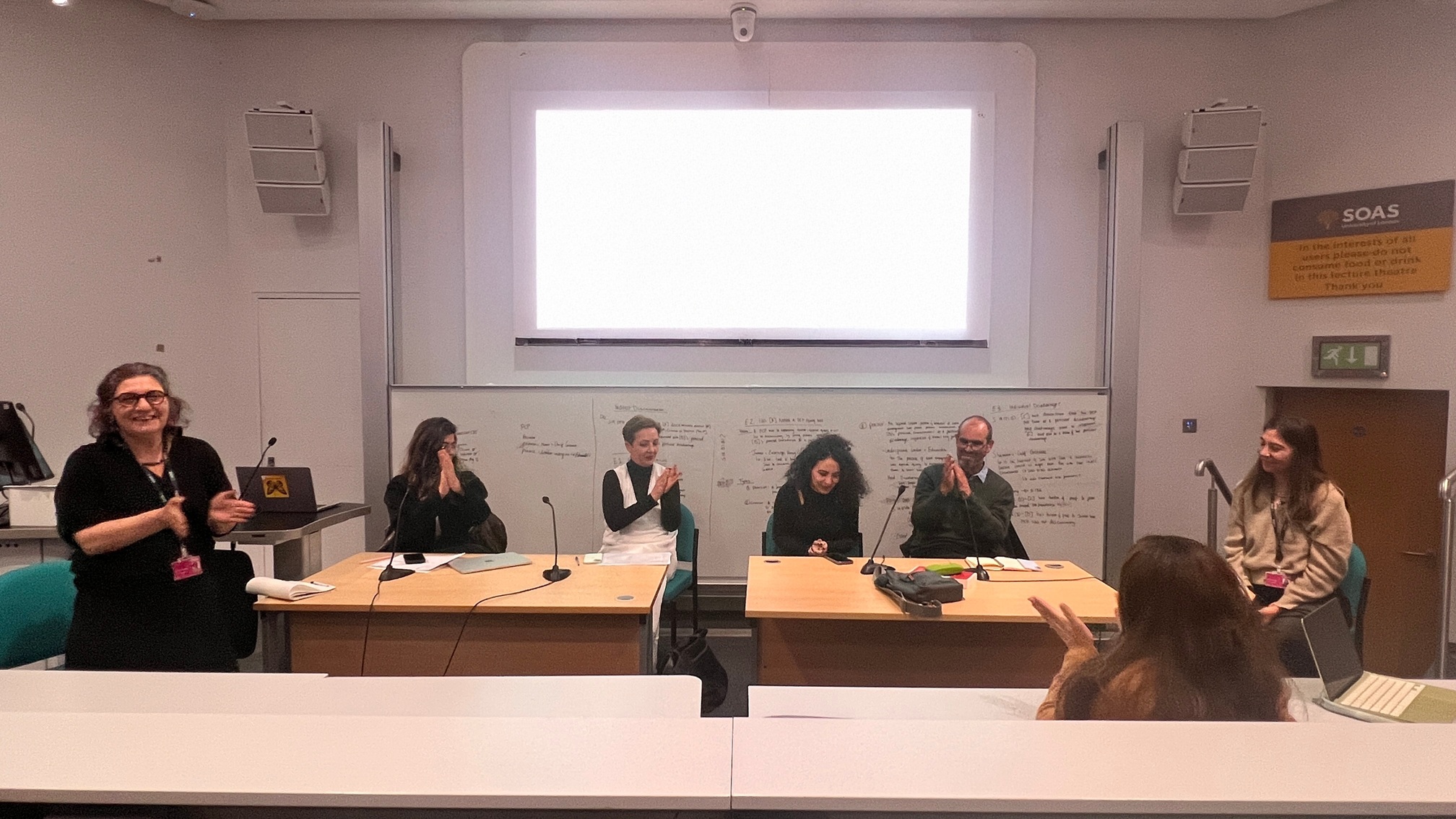
11 May 2026: Archives of Solidarity hosted a public panel discussion titled ‘Archiving the Future: Syrian archival activism in times of displacement’ at SOAS on Syrian archival activism in times of displacement.
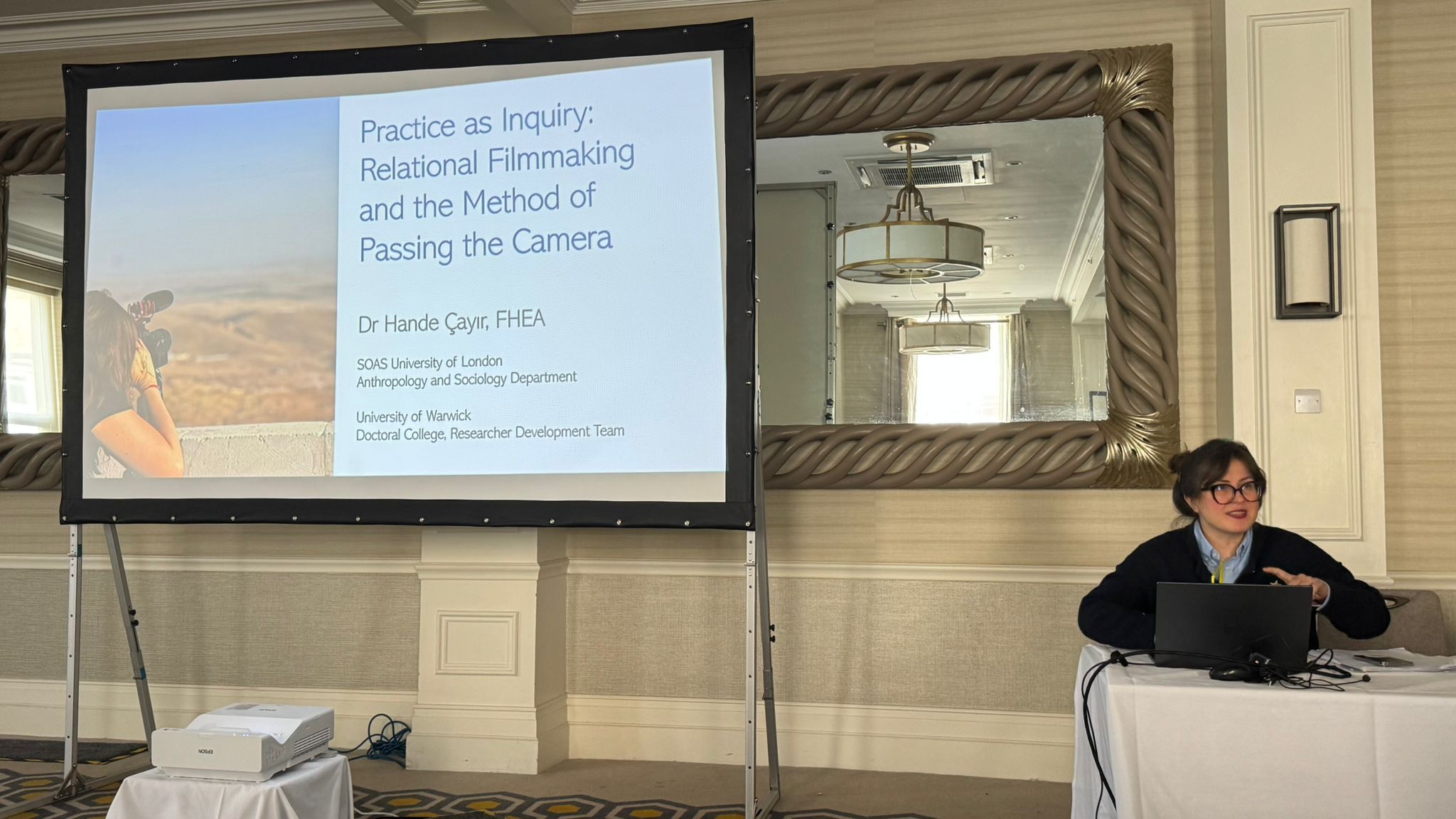
15-17 April 2026: Dr Hande Çayır delivered a presentation titled ‘Practice as Inquiry: Relational Filmmaking and the Method of Passing the Camera’ at the 14th Annual British Association of Film, Television and Screen Studies (BAFTSS) Conference, organised by Bournemouth University.
3 December 2025: We hosted a film screening of Dargeçit (Hold Still) and public launch discussion with Berke Baş (Director), Dr Noémi Lévy-Aksu (Programme Director of Memory and Peace Studies at Hafıza Merkezi, Istanbul), and Jelnar Ahmad (Programme Manager, Syrian Archive at Mnemonic). PI Dr Zerrin Özlem Biner moderated the discussion.
Hold Still follows the decades-long legal struggle of a lawyer and several families in Turkey seeking justice for their loved ones who disappeared in the 1990s. It reveals how memory endures through legal files, hearings, and the persistent pursuit of truth, and how art can play a vital role in documenting these struggles for justice. The film draws on reports and materials on enforced disappearances in Turkey produced by Hafıza Merkezi since 2011. The Syrian Archive at Mnemonic responds to a different but related history of state violence, preserving digital traces of images, videos, and records that might otherwise be lost, denied, or erased. Archives of Solidarity, in contrast, focuses less on documenting loss and more on the practices of mutual care and world-making that communities build together. Placed in dialogue, these initiatives ask how archives of disappearance, of violence, of solidarity can resist erasure, sustain connections, and open pathways for justice. They remind us that archiving is not only about preserving the past, but also about shaping solidarities in the present and imagining futures that might otherwise be foreclosed.
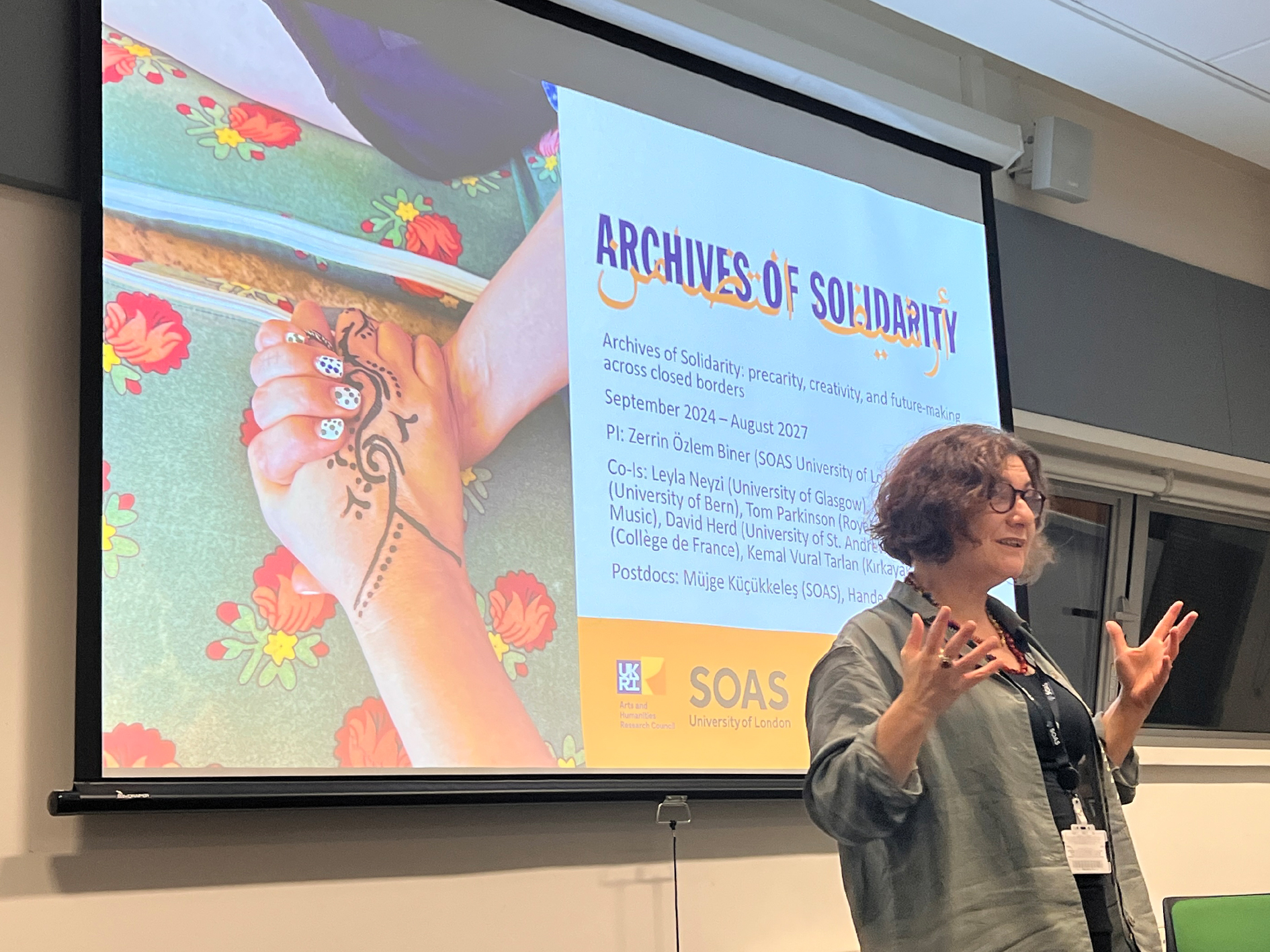
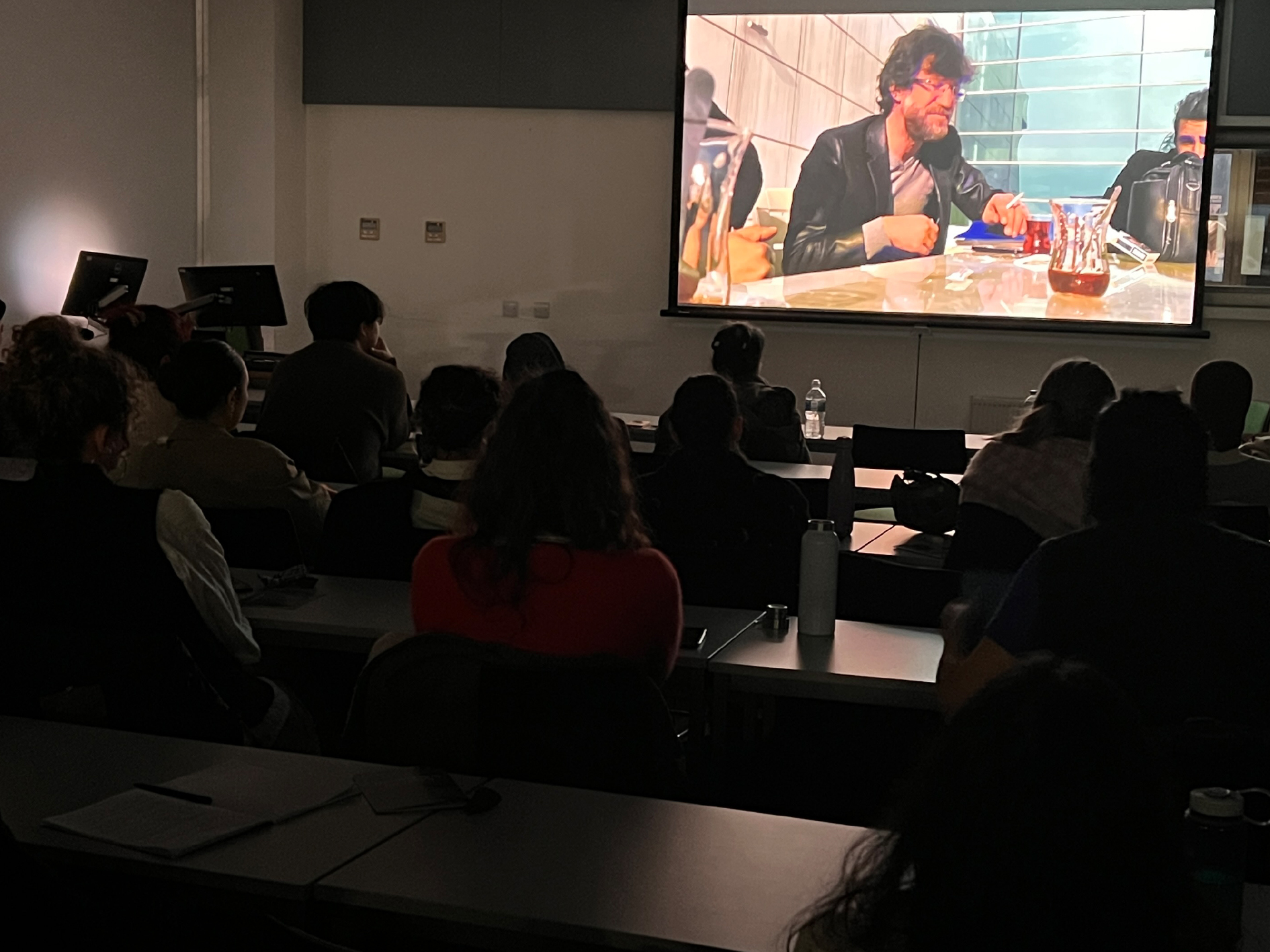
1 December 2025: Leyla Neyzi presented “Oral History as a pedagogical and research tool in a multimodal AHRC project in the UK and Turkey” at the Scottish Oral History Centre’s Seminar Series
17-18 October 2025: Özge Biner and Zerrin Özlem Biner presented at “Return Two-day Workshop: An idea, practice, and contested horizon”
Wayward Returns: Temporary Refugees, (In) Visible Border Crossers, and Exceptional Citizens on the Turkish-Syrian Border.
In this paper, we aim to explore and discuss the diverse experiences and imaginings of return, as well as the shifting political significance of return, before and after the fall of the Assad regime, spanning from March 2011 to December 2025. Based on long-term research during the Syrian revolution and oral history interviews with Syrians after the fall, we argue that for Syrians who dwell/ wait, and live in Turkey, a return is planned and imagined from the moment of departure.
Return is not a one-way process. Instead, it consists of cross-border movements through multiple temporalities of war, refugeehood and exile. Following the fall of the regime, return is experienced as a confrontational act to find the places of the lost, dead and disappeared and left behind. This confrontation with loss leads to anger, disappointment, and, at the same time, hope to mourn and envision the un(timely) possibilities of imagining and rebuilding a new life.
